Have you ever stood in your hallway on a freezing January evening and felt a cold breeze blowing right through your front door? Or maybe you look at your old door and wonder if it could actually stop a burglar. Choosing a new front door is a big decision for any homeowner. You want something that keeps the warmth in, keeps the bad guys out, and looks brilliant from the pavement.
In your search, you have probably come across two main options: uPVC doors and composite doors. While uPVC has been the standard go to for decades because it is cheap, composite doors are rapidly becoming the most popular choice across Kent and the rest of the UK. But they do cost more up front. Let us break down whether a composite door is truly worth your hard earned money.
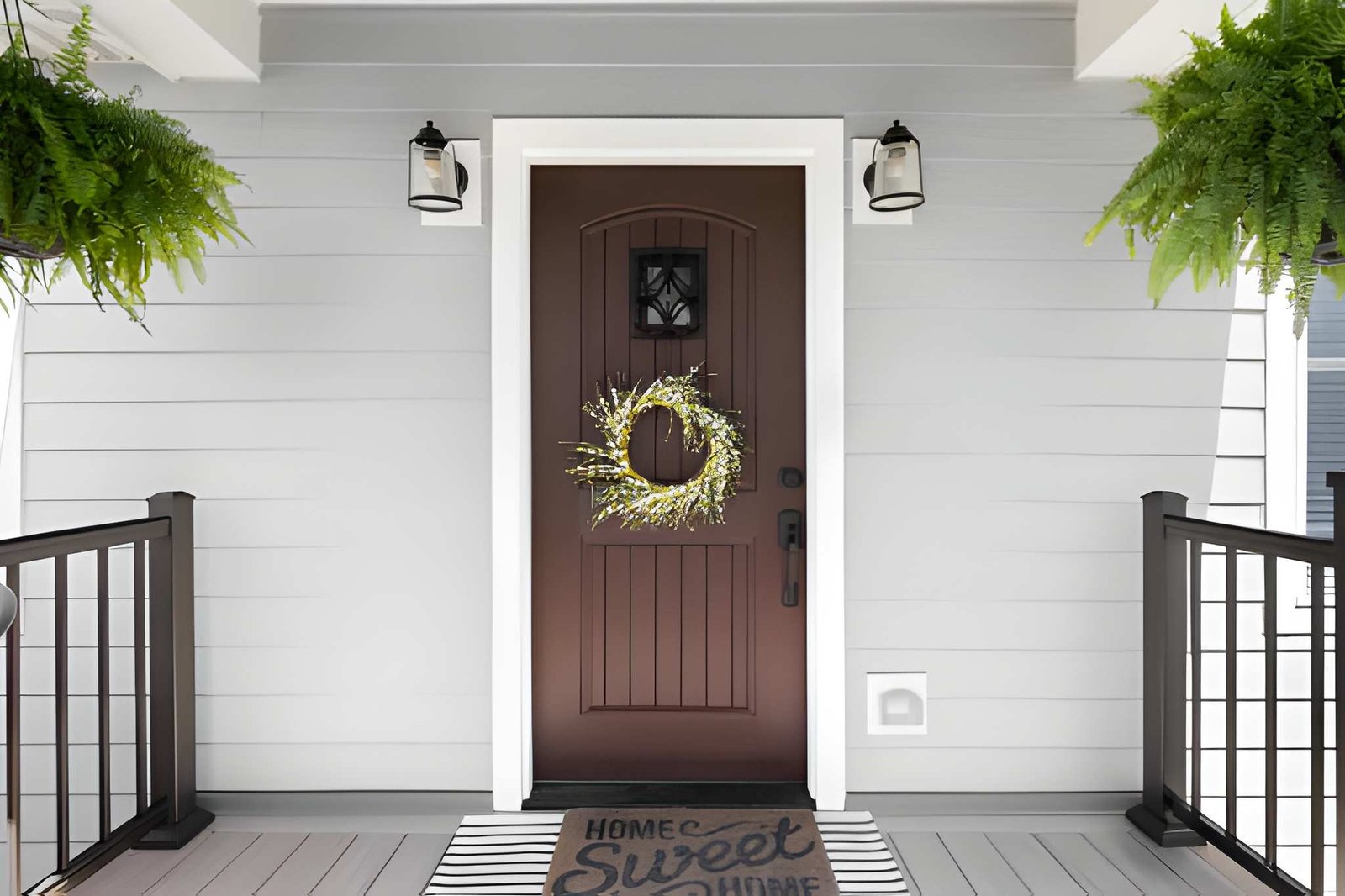
To understand why they cost more, you need to know how they are made. A uPVC door is made mostly of plastic. It is lightweight and budget friendly, but it can feel a bit flimsy.
A composite door is completely different. It is made from a mix of materials pressed together under massive pressure. Inside, it usually has a thick core of insulating foam or solid timber. Around that is a super strong frame, topped off with a skin of Glass Reinforced Plastic (which is the same tough stuff they use to build boats). Because it is a blend of materials, it is called a composite.
When it comes to front door security in the UK, composite doors are the absolute kings. Because the core is solid and thick, you cannot simply kick a hole through it.
Most premium composite doors come fitted with multi point locking systems. This means that when you turn the key, the door locks into the frame in several different places, top, middle, and bottom, rather than just in the centre. Trying to force open a locked composite door is incredibly difficult, giving you massive peace of mind when you go to bed at night.
No one wants to buy a new front door only to replace it a few years later. This is where the composite door lifespan really shines.
uPVC Doors: These usually last around 15 to 20 years. Over time, the plastic can fade in the sun, become brittle, or even warp, meaning it starts to stick in the frame.
Composite Doors: A quality composite door can easily last 30 to 35 years with almost zero maintenance. They do not fade, they do not rot in the damp British weather, and they never need painting. All you need to do is wipe them down with a damp cloth when they get muddy.
With energy prices being a major worry for everyone, having energy efficient doors in the UK is vital. Old wooden or cheap plastic doors let heat escape like a sieve.
Because composite doors have that dense foam or wood core, they act like a thick blanket for your house. They keep the precious heat inside your living room and block the freezing wind outside. Over the lifespan of the door, the money you save on your heating bills can actually help pay for the door itself.
Let us talk about the elephant in the room: the overall value.
While a standard uPVC door might seem like the budget-friendly option at first glance, a quality composite door is a superior choice when you think of it as a long-term investment. Because a composite door lasts twice as long as uPVC, keeps your home much warmer, and offers top-tier security, the initial cost is absolutely justified for most homeowners.
If you want to upgrade your home with a team you can trust, you can read more about South East Doors Online and see how we help homeowners find the perfect fit.The Verdict
If you are on a very tight budget or flipping a house quickly, uPVC does the job. But if you want the best entrance doors in Kent for your forever home, composite is the clear winner. It looks beautiful, protects your family, and stands up to the British weather for decades.
Get a Quick Quote from a member of our team or design your product online with our product design software.